For many, the dream of homeownership isn’t just about moving into a new building; it is about creating a living space that is a literal manifestation of their lifestyle, values, and aesthetic preferences. While “stock” or “pre-designed” plans offer a convenient and cost-effective starting point, they often require compromise. This is where custom house plans enter the picture. A custom plan is a bespoke architectural map designed from scratch, tailored specifically to the unique topography of a lot and the specific needs of the family that will inhabit it.
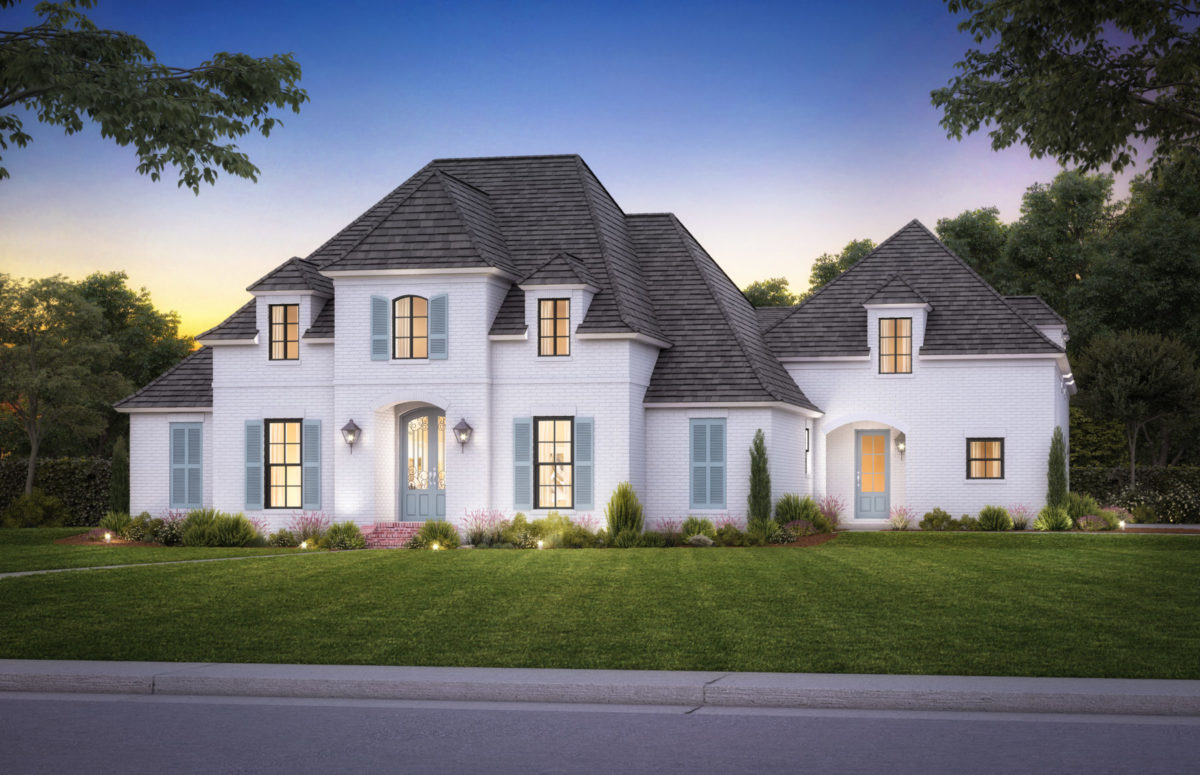
The process of developing custom house plans is an intricate journey that blends art with engineering. It allows for a level of personalization that ensures every square inch of the home serves a purpose. From the orientation of the windows to the flow of the hallways, a custom home is the ultimate expression of architectural freedom.
The Advantage of Site-Specific Design
One of the most significant benefits of custom house plans is the ability to harmonize the structure with the land. Stock plans are designed for generic, flat lots, but rarely is a piece of land truly “standard.” A custom architect will begin by analyzing the site’s topography, soil conditions, sun paths, and prevailing wind directions.
If you have a lot with a stunning view of a valley or a lake, a custom plan ensures that the primary living spaces—like the great room or the master suite—are oriented to capture that vista. Similarly, custom designs can account for challenging terrain, such as steep slopes, by incorporating walk-out basements or tiered levels that would be impossible with a standard plan. This site-specific approach not only enhances the beauty of the home but can also lead to significant savings in excavation and foundation costs.
Tailoring the Layout to Your Lifestyle
Every family has a unique “rhythm” of life. A professional chef requires a kitchen with specific workflow triangles and high-capacity storage, while a remote executive might need a soundproofed office suite with a private entrance for clients. Custom house plans allow you to prioritize these specific functional requirements from the very beginning.
In a custom build, you aren’t forced to accept a formal dining room you’ll never use or a third bedroom that is too small for your needs. Instead, you can allocate square footage where it matters most to you. Perhaps you prefer an expansive “mudroom” with specialized washing stations for pets, or maybe you want a “multigenerational” wing with a separate kitchenette for aging parents. Customization ensures that the home fits the family, rather than the family trying to fit into the home.
Maximizing Energy Efficiency and Sustainability
In the modern era, sustainability is no longer a luxury; it is a necessity. Custom house plans provide the perfect opportunity to integrate “passive” and “active” green technologies into the DNA of the building.
By strategically placing windows and using thermal mass materials, a custom home can utilize passive solar heating in the winter and natural ventilation in the summer. This significantly reduces the reliance on mechanical HVAC systems. Furthermore, a custom plan can be designed to accommodate specific modern technologies like geothermal heating loops, integrated solar arrays, or greywater recycling systems. When these elements are designed into the plan from day one, they are far more efficient and aesthetically pleasing than if they were retrofitted later.
The Role of Technology: BIM and 3D Modeling
The creation of custom house plans has been revolutionized by Building Information Modeling (BIM) and advanced 3D rendering. Gone are the days of trying to visualize a home based on flat, two-dimensional blueprints. Today, architects can create a “digital twin” of your home before a single brick is laid.
This technology allows homeowners to take a “virtual walk-through” of their custom plan. You can see how the morning light hits the breakfast nook or how the transition feels between the kitchen and the patio. This level of visualization is crucial for custom plans because it allows for “pre-construction corrections.” Changing the location of a wall on a computer screen costs nothing; changing it after the frame is built is an expensive endeavor.
Navigating the Custom Design Process
The path to a final custom house plan typically follows several distinct phases:
- Discovery and Programming: Identifying your needs, budget, and the “must-have” features of the home.
- Schematic Design: The architect creates rough sketches to illustrate the basic layout and form of the house.
- Design Development: Refining the sketches into detailed floor plans, elevations, and cross-sections.
- Construction Documents: The final, highly technical “blueprints” that the builder will use to secure permits and physically construct the home.
While this process takes longer than buying a stock plan, the result is a document that serves as a precise manual for your dream home, leaving nothing to chance.
Conclusion
Custom house plans represent the pinnacle of residential architecture. They offer a rare opportunity to move beyond the limitations of “off-the-shelf” living and create a sanctuary that is perfectly attuned to your life. While the process requires more time, investment, and emotional energy than a standard build, the “return on life” is unparalleled.
A custom home is a legacy. It is a structure that respects the land it sits on, supports the people who live within its walls, and reflects the unique personality of its creator. When you invest in a custom house plan, you aren’t just building a house; you are designing the future of your family’s comfort and happiness.
Would you like me to help you draft a “Project Brief” or a list of questions to ask an architect before starting your custom house plan journey?