The kitchen is widely considered the heartbeat of the home. It is where nutrition is prepared, conversations unfold, and the daily rhythm of family life is established. However, it is also the room that typically consumes the most energy, generates the most waste, and utilizes the most water. As homeowners become increasingly conscious of their environmental footprint, kitchen remodeling has shifted from a purely aesthetic endeavor to a strategic opportunity for “Green Living.”
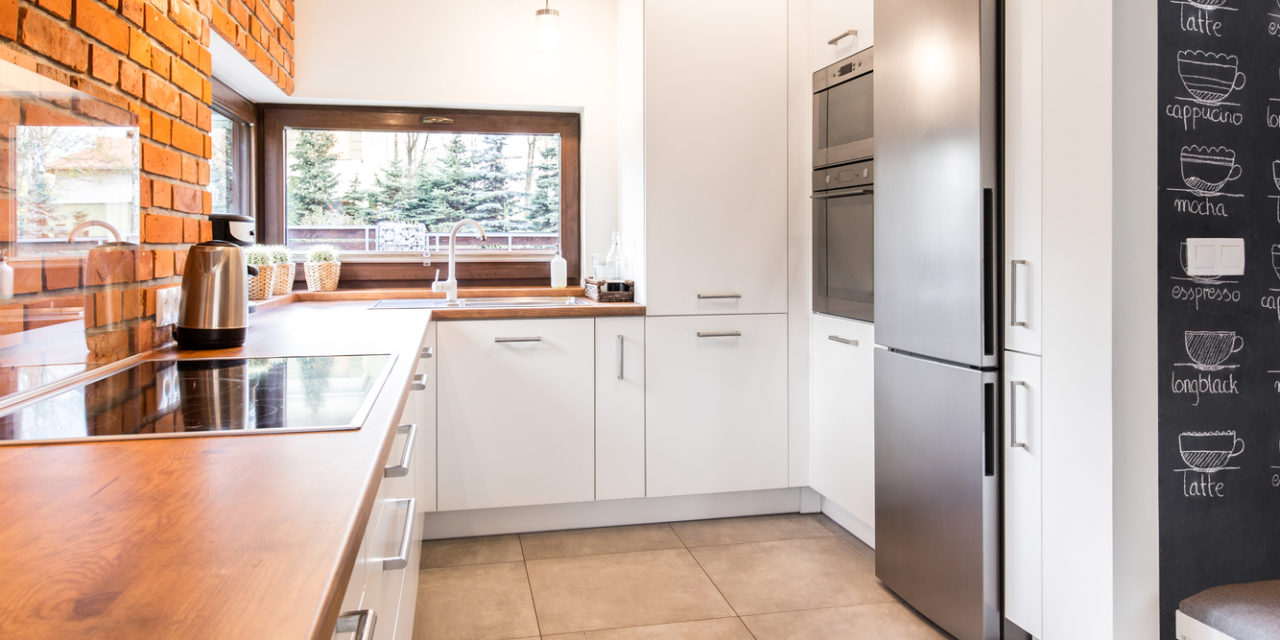
Transforming your kitchen into an eco-friendly space does not require sacrificing style or functionality. In fact, sustainable design often leads to a more efficient, durable, and healthier cooking environment. By making informed choices regarding materials, appliances, and waste management, you can create a kitchen that serves both your family and the planet.
Prioritizing Sustainable Cabinetry and Surfaces
The majority of traditional kitchen cabinetry is constructed from particleboard or medium-density fiberboard (MDF) held together with urea-formaldehyde glues. These chemicals can off-gas into your home for years, negatively impacting indoor air quality. When remodeling, the first step toward a green kitchen is selecting cabinetry made from solid wood certified by the Forest Stewardship Council (FSC). This certification ensures that the wood was harvested from responsibly managed forests.
Alternatively, consider bamboo, which is a rapidly renewable resource that grows significantly faster than traditional hardwoods. For surfaces, avoid the temptation of cheap, non-recyclable laminates. Instead, opt for durable, long-lasting options such as recycled glass countertops, reclaimed wood, or natural stone like soapstone and granite, which are non-toxic and possess immense longevity. By choosing materials that are both locally sourced and sustainable, you reduce the carbon footprint associated with transportation while ensuring your kitchen remains free of harmful synthetic chemicals.
The Energy-Efficient Appliance Revolution
Appliances are the heavy lifters of the kitchen’s energy consumption. If your refrigerator or dishwasher is more than a decade old, it is likely leaking energy at an alarming rate. During a remodel, investing in high-efficiency appliances is the most impactful way to “go green.”
Look for the Energy Star label, which signifies that an appliance meets strict efficiency standards set by the Environmental Protection Agency. Modern induction cooktops, for example, are a game-changer. Unlike traditional gas or electric ranges, induction technology uses electromagnetic energy to heat the cookware directly. This process is significantly more efficient, loses less heat to the surrounding air, and improves indoor air quality by eliminating the combustion byproducts associated with gas cooking. When appliances are paired with smart-home technology, you can further monitor and optimize energy usage, ensuring that your kitchen operates at peak efficiency.
Water Conservation Tactics
The kitchen sink is the primary source of household water waste. A green kitchen remodel should integrate features that minimize consumption without compromising performance. Installing a high-efficiency faucet with an aerator can significantly reduce water flow while maintaining pressure.
Moreover, consider the installation of a dual-plumbed system or an on-demand hot water recirculation pump. These systems eliminate the need to run the faucet for minutes while waiting for the water to heat up, a habit that wastes thousands of gallons annually. For those who choose to include an under-sink filtration system, ensure the filters are recyclable or long-lasting to prevent unnecessary plastic waste. Every drop saved is a contribution to a larger goal of conservation, and these small adjustments provide a cumulative benefit over the lifetime of the kitchen.
Implementing a Sustainable Waste Strategy
The modern kitchen should be designed to handle waste as efficiently as it handles food preparation. During the design phase, incorporate a dedicated space for multi-stream sorting. Instead of a single trash bin, install a built-in pull-out drawer system that separates landfill waste, recyclables, and compost.
Composting is perhaps the most significant “green” upgrade for a kitchen. By integrating a discrete, ventilated compost bin directly into your cabinetry, you make the habit of separating food scraps second nature. This keeps organic matter out of landfills—where it would otherwise produce methane—and transforms your kitchen waste into nutrient-rich soil for your garden. Designing a kitchen that makes it easier to recycle and compost is a fundamental shift toward a zero-waste lifestyle.
Lighting and Indoor Environmental Quality
Lighting design is often an afterthought, yet it is essential for both functionality and sustainability. Swap out outdated fluorescent or incandescent lighting for LED fixtures. LEDs are the gold standard for green living; they use a fraction of the energy, emit very little heat, and last for decades.
To further enhance the health of your kitchen, be mindful of the “finish” of your project. Select paints and sealants that are labeled “low-VOC” or “no-VOC.” These products ensure that your newly remodeled space does not introduce toxic fumes into your home. Additionally, consider the importance of natural light. If your layout allows, installing a window or a solar tube can reduce the need for artificial lighting during daylight hours, further lowering your energy bills and improving your mood.
Conclusion
Kitchen remodeling for green living is about far more than just picking out the right materials; it is about adopting a philosophy of long-term stewardship. By selecting sustainable cabinetry, choosing energy-efficient appliances, and designing for better waste management, you are not only increasing the value of your property but also creating a healthier, more efficient, and more conscious home environment.
A sustainable kitchen is a space that respects the resources that go into its construction and the resources it consumes during its daily operation. While the initial investment in high-quality, eco-friendly materials may be higher, the return on investment—found in lower utility bills, increased durability, and a smaller environmental impact—is substantial. By making these intentional choices, you transform your kitchen into a model of modern, sustainable living, proving that true luxury is found in a home that sustains both the earth and the people who live within it.
Would you like me to create a “Sustainable Material Checklist” to help you compare the environmental impact of different countertop, flooring, and cabinet options for your upcoming kitchen project?