The exterior of a house is its public face—the primary feature that communicates the personality, history, and architectural integrity of the home. While interior design often steals the spotlight, the exterior design is what truly defines a property’s “curb appeal” and significantly influences its market value. Choosing the right exterior design is not merely about picking paint colors or siding materials; it is about selecting a cohesive architectural language that stands the test of time.
From the clean, sharp lines of modern minimalism to the ornate, historical charm of Victorian estates, understanding the various types of exterior design allows homeowners to make decisions that honor the structure’s roots while catering to contemporary tastes. This guide explores the most influential exterior design styles that define the current residential landscape.
The Enduring Elegance of Colonial Architecture
Colonial architecture is perhaps the most recognizable style in North American residential history. Defined by its formal symmetry, rectangular shape, and classic proportions, the Colonial home is the embodiment of traditionalism. A standard Colonial design features a centered front door, windows arranged symmetrically on either side, and a multi-story layout that emphasizes structure and order.
The beauty of the Colonial style lies in its simplicity and durability. Typically clad in brick, stone, or wood clapboard, these homes are designed to look “stately.” Modern interpretations of this style often incorporate high-quality materials to maintain that historical aesthetic while upgrading the energy efficiency of the building envelope. For those who value tradition, symmetry, and a timeless look, the Colonial remains an unbeatable choice.
The Warmth and Comfort of Craftsman Exteriors
Emerging during the Arts and Crafts movement in the early 20th century, Craftsman exterior design is a direct reaction against the mass-produced aesthetic. This style is characterized by its emphasis on handcrafted details, natural materials, and structural honesty.
The key features of a Craftsman home include low-pitched gabled roofs, wide overhanging eaves with exposed rafter tails, and a prominent front porch supported by thick, tapered columns. These homes often utilize a blend of stone, wood, and shingles to create a rich, textural appearance that feels both sturdy and inviting. The exterior color palettes are usually earthy and muted, intended to harmonize with the surrounding landscape. If you prefer a home that feels warm, grounded, and deeply personal, the Craftsman style offers an unparalleled sense of charm.
The Sleek Minimalism of Contemporary Design
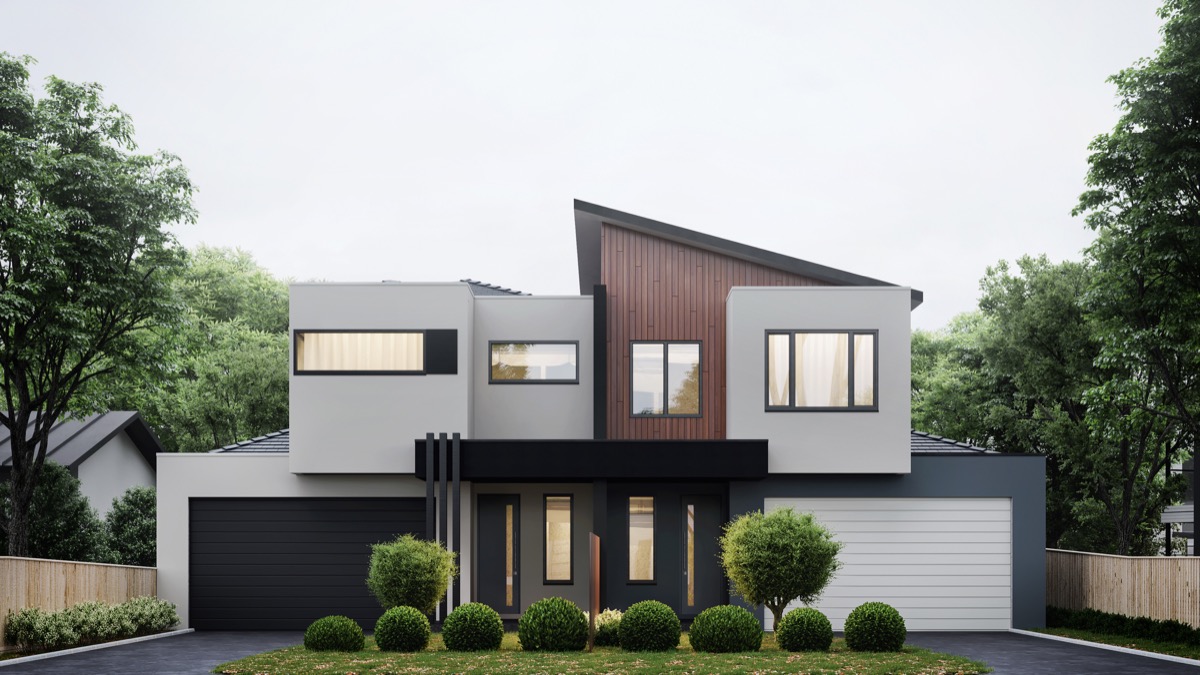
In sharp contrast to the ornamentation of the past, Contemporary exterior design focuses on clean lines, geometric shapes, and the integration of indoor and outdoor living spaces. Contemporary homes are not confined to a single “look,” but they are unified by the philosophy of “form following function.”
Contemporary exteriors often feature flat or shed rooflines, oversized windows that flood the interior with natural light, and a mix of industrial materials like steel, glass, and polished concrete. The goal is to strip away the unnecessary, creating a home that feels light, airy, and sophisticated. These designs are particularly well-suited for urban or hilly environments where the structure can interact uniquely with the landscape. By prioritizing open space and transparency, Contemporary design blurs the line between the artificial structure and the natural world.
The Rustic Appeal of the Modern Farmhouse
The Modern Farmhouse has become a dominant force in home design over the last decade. It takes the familiar silhouettes of rural, agricultural buildings—steep gabled roofs, vertical board-and-batten siding, and expansive wrap-around porches—and updates them for modern living.
The defining aesthetic of the Modern Farmhouse is high-contrast: typically black metal roof accents against crisp white siding. Large, black-framed windows provide a striking contrast, while warm wooden accents—often found on porch ceilings or entrance doors—prevent the home from feeling too clinical. This style is beloved because it manages to be both nostalgic and highly functional. It communicates a sense of hospitality and “homeyness” that many homeowners find irresistible, making it a perfect blend of old-world roots and contemporary luxury.
Mediterranean-Inspired Architectural Styles
Drawing inspiration from the coastal regions of Spain, Italy, and Greece, Mediterranean exterior design brings a sense of sun-drenched warmth to any neighborhood. These homes are designed for longevity and temperature control in warmer climates.
Key characteristics include white or light-colored stucco walls, arched windows and entryways, and terra cotta-tiled roofs. These design choices are not merely aesthetic; they are functional. The thick stucco walls provide excellent thermal mass, keeping the home cool during hot days, while the roof tiles allow for natural ventilation. Incorporating wrought-iron details, lush landscaping, and stone courtyards completes the look. For those living in regions with plenty of sunshine, a Mediterranean exterior offers a beautiful, breathable design that feels like a permanent vacation.
Conclusion
The exterior of your home is more than just a shell; it is a declaration of your aesthetic priorities. Whether you are drawn to the rigid order of a Colonial, the handcrafted warmth of a Craftsman, or the open, airy transparency of a Contemporary design, your choice should reflect both the character of your neighborhood and the personality of your family.
When planning an exterior renovation or a new build, remember that the most successful designs are those that consider the context of the site, the durability of the materials, and the timelessness of the form. By understanding these architectural “kinds,” you can move beyond simple trends and create a home that remains beautiful and relevant for generations to come. Your home’s exterior is the canvas upon which your family’s life is painted—choose the style that best tells your story.
Would you like me to help you create an exterior style guide tailored to your specific lot type and climate, or perhaps provide a list of siding materials that pair best with each of these design styles?