The traditional concept of home has undergone a radical transformation. For decades, the residential sector was defined by comfort and convenience, often at the expense of environmental stability. Today, a new paradigm known as “Green Residing” is emerging. Driven by the realization that our homes are not just shelters—they are active components of the ecosystems we inhabit. Green residing is more than just installing solar panels or using LED light bulbs. It is a holistic philosophy that balances human wellness, resource efficiency, and ecological restoration.
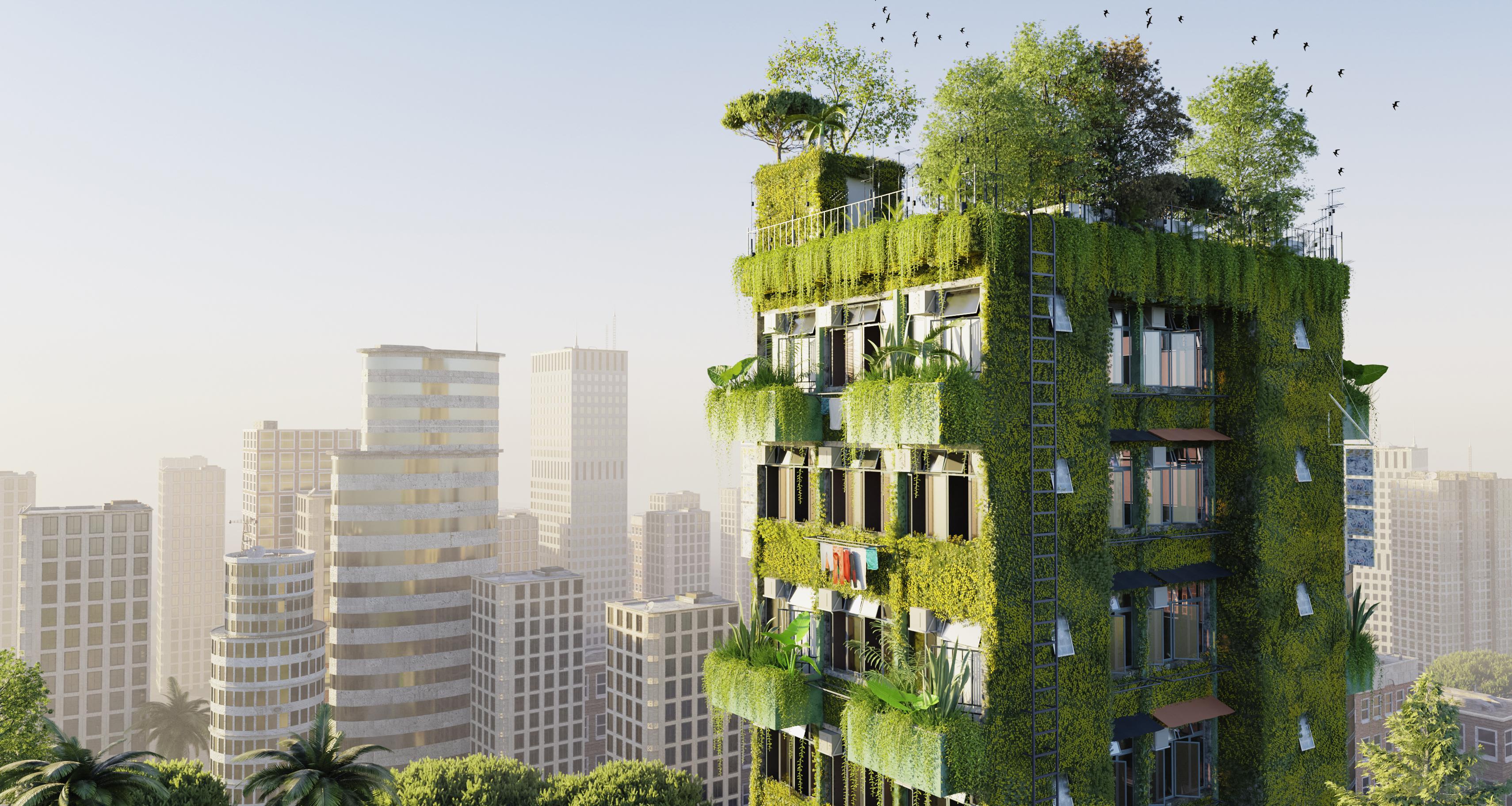
As we look toward a future shaped by climate variability and increasing urbanization. The adoption of sustainable home concepts is no longer a luxury for the eco-conscious elite. It is an essential strategy for creating resilient, healthy, and cost-effective living environments for everyone. This article explores the innovative concepts that are defining the frontier of sustainable residential design.
The Passive House Standard: Efficiency Through Design
At the apex of sustainable architecture lies the “Passive House” concept. Unlike conventional homes that rely heavily on mechanical heating. And cooling systems to maintain comfort, a Passive House is designed to function as a highly insulated, airtight thermal envelope.
The core principles of this concept involve rigorous insulation, high-performance windows, and a meticulous approach to air sealing. By preventing thermal bridging—the process where heat escapes through structural elements. These homes can maintain a comfortable internal temperature with minimal energy input. A Passive House often utilizes a heat recovery ventilation system that constantly brings in fresh, filtered air while retaining the warmth of the outgoing air. The result is a living space that is incredibly quiet, dust-free, and remarkably cheap to operate. It is the ultimate expression of the idea that the best energy is the energy you never have to consume.
Biophilic Integration: Bringing Nature Inside
The concept of biophilia, or the innate human connection to nature, is central to modern green residing. A truly green home does not just minimize its impact on the environment. It actively incorporates natural systems to improve the health of its inhabitants.
This is achieved through “Biophilic Design,” which involves the deliberate integration of natural light, ventilation, and living greenery. Vertical gardens, indoor courtyards, and strategically placed skylights are not merely decorative elements; they serve to regulate indoor air quality, naturally cool the home through evaporation, and provide the visual stimuli necessary to lower psychological stress. By treating the home as a semi-permeable membrane rather than a sealed box, we allow the beneficial rhythms of the outdoors—sunlight, airflow, and biodiversity—to enhance the indoor experience.
The Circular Home: Waste as a Resource
One of the most revolutionary shifts in sustainable living is the move toward a “Circular Home.” Traditional construction and residential living are linear: we consume materials, use them, and then discard them as waste. A circular home concept, by contrast, operates on the principle that waste does not exist.
This starts with the materials used for construction. Circular design prioritizes modularity and “design for disassembly,” meaning that if a part of the house needs to be replaced or expanded, the components can be reclaimed and reused rather than sent to a landfill. Internally, a circular home manages its own resource cycle. Greywater systems recycle water from sinks and showers for use in toilets and garden irrigation. Composting systems turn organic food waste into fertilizer for an onsite kitchen garden, which then supplies the family with food. By closing the loop on water, nutrients, and materials, the home becomes a self-sustaining microcosm.
Net-Positive Energy and Distributed Generation
While “Net-Zero” homes—which produce as much energy as they consume—have been the standard for some time, the frontier of green residing is moving toward “Net-Positive.” These homes produce more energy than they require, contributing the excess back to the community grid.
This is achieved through a combination of high-efficiency building techniques and onsite renewable energy generation. Solar shingles, small-scale wind turbines, and geothermal heat pumps are no longer exotic technologies; they are becoming standard components of high-performance residential design. When a home acts as a power plant, it changes the relationship between the inhabitant and the utility provider. It offers a level of energy independence that protects families from fluctuating prices and grid instability, proving that sustainable living is also a strategy for economic resilience.
The Role of Smart Technology in Sustainable Habits
Green residing concepts are greatly enhanced by the “Internet of Things” (IoT). A house can be “smart” in its energy management without being overly complex. Smart sensors can monitor energy usage in real-time, allowing homeowners to identify “energy leaks”—appliances or systems that are consuming power unnecessarily.
More importantly, smart home automation can optimize systems to match the external environment. Automated blinds can close on hot afternoons to prevent solar heat gain, or lights can dim as natural light levels shift. These intelligent systems take the guesswork out of sustainability, ensuring that the home is always operating at its most efficient state. Technology acts as the “nervous system” of the green home, providing the feedback loops necessary to sustain high performance over time.
Conclusion
The concept of Green Residing represents a fundamental shift in our relationship with the built environment. It moves us away from the era of extraction and consumption toward an era of regeneration and harmony. By embracing Passive House standards, integrating biophilic design, adopting circular waste management, and leveraging net-positive energy technologies, we are creating homes that do far more than just shelter us.
These homes protect our health, provide for our daily needs, and contribute positively to the ecosystems that support all life. As these concepts become more accessible and integrated into standard building codes, the barrier between “green homes” and “standard homes” will eventually vanish. The future of residency is not about living in a house; it is about living in a space that sustains you, your community, and the planet in equal measure.
Would you like me to create a “Green Residing Roadmap” that categorizes these concepts into short-term, medium-term, and long-term implementations for your own living space?