When designing a home or embarking on a major renovation, the flooring plan is often the most critical decision regarding both functionality and visual appeal. While paint colors and furniture can be changed on a whim, the flooring is a permanent fixture that dictates the “flow” of your living space. A well-planned flooring layout does more than just provide a surface to walk on; it defines the transitions between rooms, impacts the acoustic quality of the home, and fundamentally shapes the character of every interior.
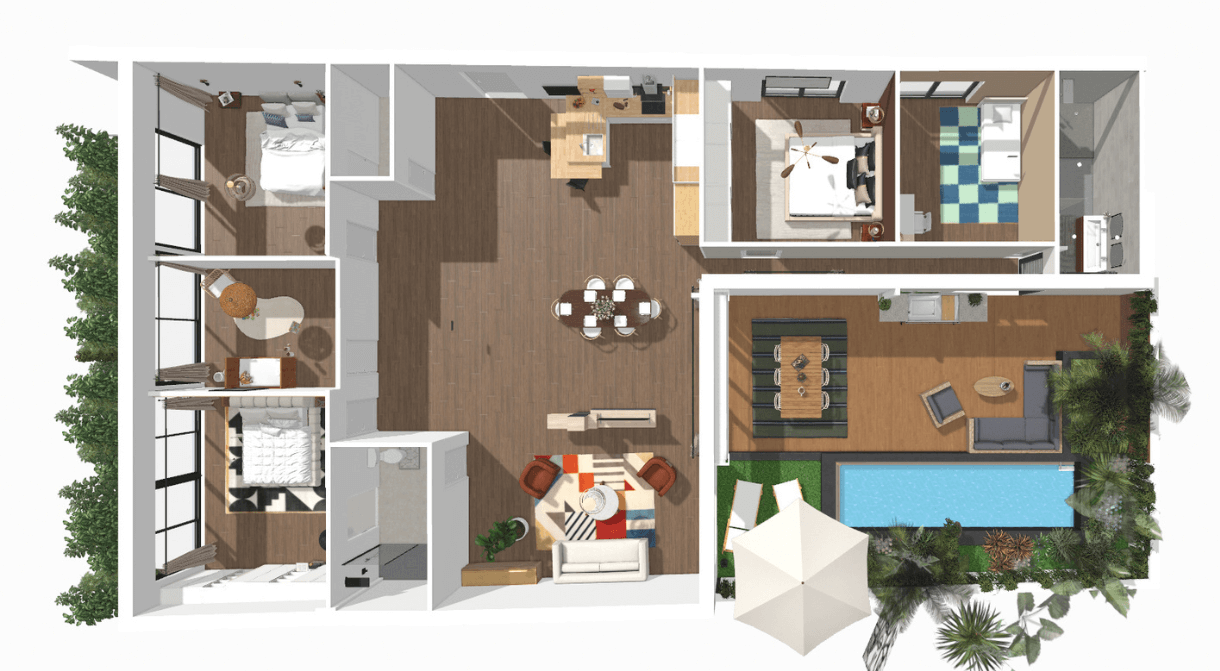
In the world of interior design, flooring is the “fifth wall.” It anchors the architecture, influences the perception of space, and serves as the primary canvas for your lifestyle. Whether you are aiming for a seamless, open-concept look or a defined, compartmentalized style, understanding the nuances of flooring plans is essential for creating a cohesive home.
The Art of Continuity: Open-Concept Flooring Plans
The dominant trend in modern residential architecture is the open-concept floor plan. This layout merges the kitchen, dining, and living areas into one expansive, shared space. When designing a flooring plan for an open-concept home, the primary objective is continuity.
Using the same flooring material throughout these connected areas creates a sense of harmony and makes the home feel significantly larger than it is. Hardwood or high-end engineered wood planks are the gold standard for this design. They provide warmth, durability, and a timeless appeal that bridges the gap between different functional zones. To successfully execute this plan, consider the direction of the planks. Running boards parallel to the longest wall or towards a focal point, such as a large window or a fireplace, can draw the eye through the space and emphasize its scale.
Zoning and Transitions: Defining Spaces Without Walls
While continuity is key for openness, there are areas in every home that require a change in flooring to serve a functional purpose. This is where the skill of “zoning” comes into play. For instance, even in an open-concept home, the kitchen often demands a material that is more resistant to moisture, heat, and dropped cookware, such as large-format porcelain tile or high-density luxury vinyl.
The challenge in any flooring plan is the transition. How do you move from a kitchen tile to a living room hardwood without the aesthetic “clutter” of bulky metal transition strips? A professional flooring plan will account for the thickness of each material before installation begins. By adjusting the subfloor height in specific areas during the construction phase, you can achieve a flush, seamless transition where two different materials meet. This attention to detail is what separates a amateur layout from a professionally executed design.
Selecting the Right Material for the Right Traffic
A crucial part of any flooring plan is an honest assessment of traffic and usage. Every room has a “personality” based on how much it is used and the nature of that use.
- High-Traffic Zones (Entryways and Hallways): These are the arteries of the home. Here, the plan must prioritize durability. Natural stone, ceramic tile, or commercial-grade luxury vinyl are ideal. These materials can withstand grit, moisture, and heavy foot traffic without showing signs of wear.
- Social and Leisure Zones (Living and Dining): These areas benefit from the warmth of wood or the comfort of high-quality carpet. A flooring plan that incorporates area rugs over hardwood floors provides a versatile solution, allowing you to soften the room for comfort while still showcasing the beauty of the underlying wood.
- Personal and Quiet Zones (Bedrooms): Comfort is the priority here. While hardwood is aesthetically pleasing, many homeowners prefer the tactile comfort of carpet or cork in bedrooms. A smart flooring plan might use wood in the common hallways and transition to carpet in the private suites to signal a shift in the home’s “energy.”
The Impact of Patterns and Texture
The geometry of your flooring plan can drastically alter the perception of a room. For example, herringbone and chevron patterns are classic choices that add a sense of luxury and movement to a space. However, these patterns are visually “busy.” In a small room, a busy pattern can make the space feel cluttered. In a large, grand foyer, however, such a pattern can act as a stunning centerpiece.
Texture also plays a vital role. In modern plans, matte or wire-brushed finishes for hardwood are replacing high-gloss surfaces. Matte finishes are more forgiving when it comes to scratches and dust, making them ideal for busy households with children or pets. By choosing the right texture, you ensure that your flooring remains beautiful long after the installation, reducing the need for constant maintenance.
Environmental and Health Considerations
Modern flooring plans must also address health. The “Green Living” movement has led to a significant shift toward natural, low-VOC (volatile organic compound) materials. Hardwood, bamboo, cork, and natural linoleum are excellent choices because they do not trap dust, dander, or allergens in the same way that low-quality carpeting does.
When developing your flooring plan, check the certifications of your materials. Look for products that are FSC-certified for sustainability or have low-emission ratings for indoor air quality. A home should be a sanctuary, and the floor upon which your family walks and plays is a foundational element of that wellness.
Conclusion
A flooring plan is not merely a technical document; it is a blueprint for how you experience your home. By thoughtfully selecting materials, mastering transitions, and considering the specific needs of each room, you can create a space that is as functional as it is beautiful.
Remember that the best flooring plans are those that strike a balance between current aesthetics and timeless durability. Whether you choose the rustic charm of wide-plank oak or the clean, modern efficiency of porcelain tile, your choice will set the stage for your interior design for decades to come. Take your time during the planning phase—the effort you put into selecting and laying out your floors today will define the comfort and character of your home tomorrow.
Would you like me to create a comparison table highlighting the durability, cost, and maintenance requirements of popular flooring materials to help you narrow down your choices?