Transformation: Things You Never Knew About Home Improvement
The phrase “home improvement” often conjures images of weekend warrior projects, paint swatches, and the inevitable clutter of a kitchen renovation. It is a massive industry—one that defines the modern domestic experience. However, there is a profound difference between “fixing things” and true home improvement. Beyond the surface-level aesthetics, home improvement is a complex intersection of building science, psychological wellness, and long-term asset management.

To truly transform a house into a home, one must look beyond the glossy finishes. And understand the structural, invisible, and environmental nuances that dictate the quality of our living spaces. Here are the lesser-known aspects of home improvement that every homeowner should understand before picking up a hammer.
The Science of Building Envelope: The Invisible Performance
Most homeowners focus on what they can see: countertops, flooring, and paint. Yet, the most significant improvements you can make are the ones that remain hidden behind … Read more
A Comprehensive Guide to Home Exterior Design Styles
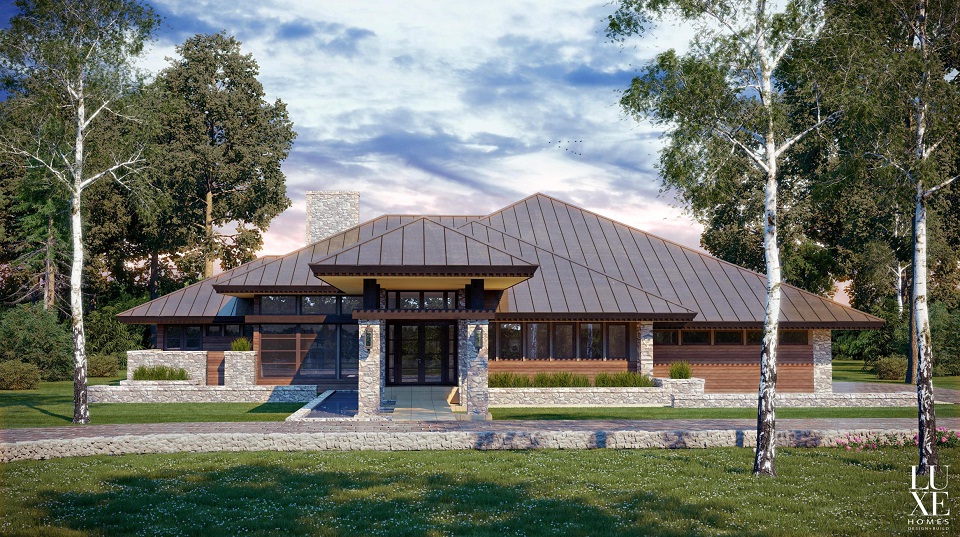
The exterior of a house is its public face—the primary feature that communicates the personality, history, and architectural integrity of the home. While interior design often steals the spotlight, the exterior design is what truly defines a property’s “curb appeal” and significantly influences its market value. Choosing the right exterior design is not merely about picking paint colors or siding materials; it is about selecting a cohesive architectural language that stands the test of time.

From the clean, sharp lines of modern minimalism to the ornate, historical charm of Victorian estates, understanding the various types of exterior design allows homeowners to make decisions that honor the structure’s roots while catering to contemporary tastes. This guide explores the most influential exterior design styles that define the current residential landscape.
The Enduring Elegance of Colonial Architecture
Colonial architecture is perhaps the most recognizable style in North American residential history. Defined by its … Read more
A Comprehensive Guide to House Flooring Plans
When designing a home or embarking on a major renovation, the flooring plan is often the most critical decision regarding both functionality and visual appeal. While paint colors and furniture can be changed on a whim, the flooring is a permanent fixture that dictates the “flow” of your living space. A well-planned flooring layout does more than just provide a surface to walk on; it defines the transitions between rooms, impacts the acoustic quality of the home, and fundamentally shapes the character of every interior.

In the world of interior design, flooring is the “fifth wall.” It anchors the architecture, influences the perception of space, and serves as the primary canvas for your lifestyle. Whether you are aiming for a seamless, open-concept look or a defined, compartmentalized style, understanding the nuances of flooring plans is essential for creating a cohesive home.
The Art of Continuity: Open-Concept Flooring Plans
The dominant … Read more
A Professional Guide to Eco-Friendly Kitchen Remodeling
The kitchen is widely considered the heartbeat of the home. It is where nutrition is prepared, conversations unfold, and the daily rhythm of family life is established. However, it is also the room that typically consumes the most energy, generates the most waste, and utilizes the most water. As homeowners become increasingly conscious of their environmental footprint, kitchen remodeling has shifted from a purely aesthetic endeavor to a strategic opportunity for “Green Living.”

Transforming your kitchen into an eco-friendly space does not require sacrificing style or functionality. In fact, sustainable design often leads to a more efficient, durable, and healthier cooking environment. By making informed choices regarding materials, appliances, and waste management, you can create a kitchen that serves both your family and the planet.
Prioritizing Sustainable Cabinetry and Surfaces
The majority of traditional kitchen cabinetry is constructed from particleboard or medium-density fiberboard (MDF) held together with urea-formaldehyde glues. … Read more
Harmonizing Green Residing and Human Wellness
The modern home has traditionally been viewed as a fortress against the elements—a place of shelter, privacy, and comfort. However, in recent years, our understanding of what makes a home truly “livable” has undergone a profound transformation. We are moving toward a paradigm of “Green Residing,” an approach that prioritizes environmental responsibility, energy efficiency, and the integration of natural elements into our daily living spaces. Yet, the most compelling argument for going green is not just the preservation of the planet; it is the direct, measurable impact that sustainable living has on human wellness.

When we design spaces that respect the earth, we are, in essence, designing spaces that respect our own biology. From the quality of the air we breathe to the rhythm of the light that governs our sleep-wake cycles, the intersection of sustainability and wellness is where the modern home finds its true purpose.