Choosing a home plan is more than just selecting a layout; it is about defining the backdrop for your life’s future chapters. Whether you are a first-time homebuyer, looking to downsize, or planning a custom build, the architectural style and floor plan you choose will dictate your daily flow, comfort, and even your long-term financial investment. The world of residential design is vast, ranging from the cozy efficiency of a cottage to the sprawling elegance of a contemporary estate.
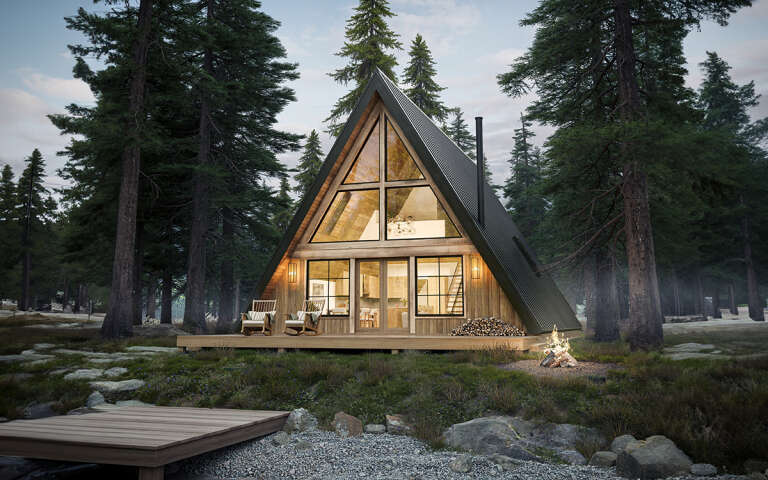
Understanding the nuances of different home plan types allows homeowners to make informed decisions that balance aesthetic preferences with functional requirements. In this article, we explore the most popular home plan designs and why they continue to resonate in the modern housing market.
The Timeless Appeal of the Ranch Style
The Ranch-style home, also known as the Rambler, emerged in the mid-20th century and remains one of the most requested home plans today. The defining characteristic of a Ranch plan is its single-story layout and long, low-to-the-ground profile.
One of the primary benefits of the Ranch design is accessibility. Because all essential rooms—the kitchen, laundry, and bedrooms—are on a single level, it is an ideal “forever home” for those planning to age in place or for families with young children who want to avoid the safety concerns of stairs. Ranch plans often feature open-concept living areas and sliding glass doors that lead to a patio, emphasizing a seamless connection between indoor and outdoor living. While they require a larger lot size due to their expansive footprint, their simplicity makes them highly customizable.
The Vertical Elegance of the Colonial Design
For those who prefer a clear separation between public and private spaces, the Colonial-style home plan is a classic choice. Dating back to the 1600s, this design is characterized by its rectangular shape, symmetrical windows, and two-story layout.
In a typical Colonial plan, the first floor is dedicated to social interactions, housing the kitchen, formal dining room, and living room. The second floor is reserved for bedrooms, providing a quiet retreat from the hustle and bustle of the household below. This vertical orientation is particularly advantageous for smaller urban or suburban lots, as it maximizes living square footage without occupying a large portion of the land. The stately appearance of a Colonial home, often adorned with decorative shutters and a central front door, offers a sense of tradition and permanence.
The Modern Farmhouse: A Blend of Rustic and Refined
In recent years, the Modern Farmhouse has taken the design world by storm. This style takes the practical elements of traditional rural homes—such as gabled roofs and large wraparound porches—and infuses them with contemporary finishes.
Modern Farmhouse plans often prioritize high ceilings, large windows that flood the interior with natural light, and a neutral color palette. The “heart of the home” in these designs is almost always an expansive kitchen with a large island, reflecting a modern lifestyle centered on hosting and family gatherings. The use of natural materials like reclaimed wood paired with sleek industrial metals creates a look that is both cozy and sophisticated. This design type is perfect for those who want the warmth of a country home without sacrificing modern amenities.
Contemporary and Minimalist Home Plans
For the forward-thinking homeowner, Contemporary home plans offer a departure from traditional symmetry and ornamentation. These designs are characterized by flat or shed rooflines, asymmetrical shapes, and the extensive use of glass, steel, and concrete.
The philosophy behind a Contemporary home is often “form follows function.” Floor plans are highly flexible, often featuring multi-purpose rooms and a strong emphasis on energy efficiency and sustainable materials. Minimalist interiors within these plans help create a sense of calm and order, reducing visual clutter. If you value unique architectural statements and want a home that feels like a piece of modern art, a Contemporary plan is the way to go.
The Craftsmanship of the Bungalow and Craftsman Style
Born out of the Arts and Crafts movement, the Craftsman and Bungalow styles celebrate hand-crafted details and natural beauty. These home plans are easily identifiable by their low-pitched roofs with wide overhanging eaves and exposed rafters.
Inside, a Craftsman home often features built-in furniture, such as bookcases and window seats, and a prominent fireplace as the focal point of the living room. These plans are designed to feel “solid” and grounded, often utilizing stone or brick accents. While they are usually smaller than Colonial or Ranch homes, their clever use of space and attention to detail make them feel incredibly high-end. They are ideal for individuals who appreciate architectural character and a sense of “coziness” that larger, more open plans sometimes lack.
Key Considerations When Choosing a Design
When evaluating these various home plan types, it is essential to look beyond the facade. Prospective homeowners should consider several functional factors:
- Lot Topography: A sloping lot may be better suited for a “Walk-out Basement” or a “Split-level” plan than a flat Ranch.
- Natural Light: Consider the orientation of the house. Plans with large windows on the southern side can help reduce heating costs in the winter.
- Future Growth: Does the plan allow for future additions, such as a finished attic or a garage conversion?
- Lifestyle Flow: Think about your daily routine. Do you prefer the kitchen to be tucked away, or should it be the central hub of the home?
Conclusion
Selecting the right home plan is a delicate balance between personal taste, budget, and lifestyle requirements. From the accessible and social layout of a Ranch to the organized, vertical structure of a Colonial, each design type offers a unique way of experiencing “home.” By understanding the history and functional benefits of these architectural styles, you can choose a design that not only looks beautiful from the curb but also supports the way you truly live.
The “perfect” home plan is the one that evolves with you, providing a sanctuary that is as functional as it is inspiring. Whether you gravitate toward the rustic charm of a farmhouse or the sleek lines of a contemporary build, your choice of home plan is the first step in turning a structure into a legacy.
Would you like me to provide a more detailed breakdown of specific floor plan layouts, such as the pros and cons of open-concept versus traditional closed-room designs?