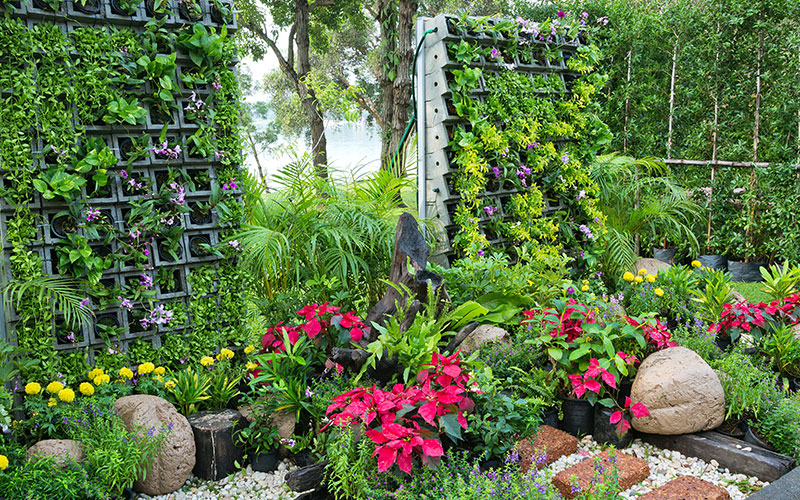
In the fast-paced, digital-centric world of 2026, the garden has evolved from a simple backyard hobby into a vital sanctuary for mental well-being and environmental stewardship. Modern gardening is no longer about strict rows of manicured plants or the aggressive use of chemical fertilizers. Instead, a new movement has taken root: Friendly Gardening. This philosophy emphasizes harmony between the gardener, the local ecosystem, and the community.
Friendly gardening is an approachable, inclusive, and sustainable way of interacting with the land. It prioritizes the health of the soil, the happiness of pollinators, and the accessibility of green spaces for everyone, regardless of the size of their plot. Whether you are tending to a sprawling rural estate or a few pots on an urban balcony, adopting these concepts can transform your gardening experience into something profoundly rewarding.
The Foundation of Soil Health: Working with Nature
At the heart of any friendly gardening concept is the understanding that the soil is a living, breathing entity. Traditional gardening often viewed soil as a mere anchor for plants, frequently stripping it of nutrients through over-tilling and synthetic additives. Friendly gardening, however, adopts a “No-Dig” or “Minimal-Till” approach.
By disturbing the soil as little as possible, you preserve the complex underground network of mycorrhizal fungi and beneficial bacteria. These microscopic allies help plants absorb water and nutrients more efficiently, creating a self-sustaining cycle of health. Instead of chemical fertilizers, friendly gardeners utilize “black gold”—homemade compost. Composting kitchen scraps and garden waste reduces landfill contributions while returning vital organic matter to the earth. This practice is the ultimate “friendly” gesture to the planet, closing the loop of consumption and growth.
Pollinator-First Landscapes: Inviting the Wild In
A garden is truly friendly when it serves as a banquet for the local wildlife. In recent years, the decline of bees, butterflies, and other essential pollinators has highlighted the need for “Pollinator-First” design. A friendly garden moves away from the “perfect” green lawn—which is often an ecological desert—and embraces a more diverse, slightly wilder aesthetic.
To implement this, gardeners are encouraged to plant a variety of nectar-rich native species that bloom at different times throughout the year. For instance, incorporating endemic Indonesian flora or local wildflowers ensures that pollinators have a consistent food source. Providing “insect hotels,” small water stations, and leaving some leaf litter for nesting sites are simple ways to make your garden a safe haven. When you garden with pollinators in mind, you aren’t just growing flowers; you are supporting the very foundation of our global food system.
Urban Farming and Limited Land Utilization
One of the most exciting “friendly” concepts is the democratization of gardening through urban farming techniques. You do not need a vast acreage to be a successful gardener. In 2026, limited land utilization has become an art form. Friendly gardening encourages the use of vertical spaces, hydroponics, and “wicking beds” to grow fresh produce in the heart of the city.
Vertical gardening—using trellises, wall-mounted planters, and hanging baskets—allows you to grow everything from leafy greens to strawberries in a very small footprint. Community “patchwork” gardens are also rising in popularity, where neighbors share small plots or even utilize rooftop spaces. These concepts are “friendly” because they break down the barriers to entry, making the joy of harvesting your own food accessible to apartment dwellers and those in high-density residential areas.
The Concept of “Sharing the Harvest”
Gardening has a unique power to foster community. Friendly gardening extends beyond the fence line through the concept of the “Shareable Garden.” This involves intentionally planting more than you need with the goal of giving back to others.
Many modern gardeners are now designating specific areas of their garden near the sidewalk as “Pick-Me” zones, where neighbors are welcome to harvest fresh herbs or flowers. Sharing seeds, swapping cuttings, and donating excess produce to local food banks are practices that turn a solitary hobby into a communal act of kindness. This social aspect of gardening combats loneliness and builds resilient local networks, proving that a garden can be a bridge between people as much as it is a bridge to nature.
Sustainable Water Management and Xeriscaping
In an era where water conservation is a global priority, a friendly garden is a water-wise garden. The concept of xeriscaping—designing landscapes that require little to no supplemental irrigation—has moved from arid climates into mainstream gardening. This involves selecting drought-tolerant plants and grouping them by their water needs, a practice known as “hydro-zoning.”
Friendly gardeners also utilize “Rain Harvesting” systems. By collecting rainwater in barrels or creating rain gardens (depressed areas designed to absorb runoff), you prevent water from wasting into storm drains and instead direct it back into the local aquifer. Using organic mulch, such as wood chips or straw, is another simple yet effective way to keep moisture in the soil and suppress weeds without the need for chemical herbicides.
Conclusion: A Greener, Kinder Future
Friendly Gardening Concepts represent a return to our roots, filtered through a modern lens of sustainability and community. It is a philosophy that recognizes that we are not the masters of our gardens, but their stewards. By focusing on soil health, supporting pollinators, maximizing small spaces, and sharing our abundance with others, we create spaces that are as kind to the earth as they are to our souls.
The beauty of a friendly garden lies in its imperfections. It is a place where a few weeds are tolerated for the sake of biodiversity, where the goal is harmony rather than control. As you look at your own green space—be it a window box or a backyard—remember that every “friendly” choice you make has a ripple effect. Gardening is a silent revolution, one that plants the seeds of a more sustainable, connected, and compassionate world. Start small, be patient, and watch as your garden becomes a true friend to all who visit it.