The exterior of a home serves as both a protective shield against the elements and an immediate reflection of personal style. While interior design often dominates home improvement conversations, the exterior is what establishes curb appeal, sets architectural tone, and safeguards structural integrity. Elevating a home exterior goes far beyond basic maintenance or applying a fresh coat of paint; it requires a thoughtful integration of materials, architectural balance, landscaping, and functional lighting.
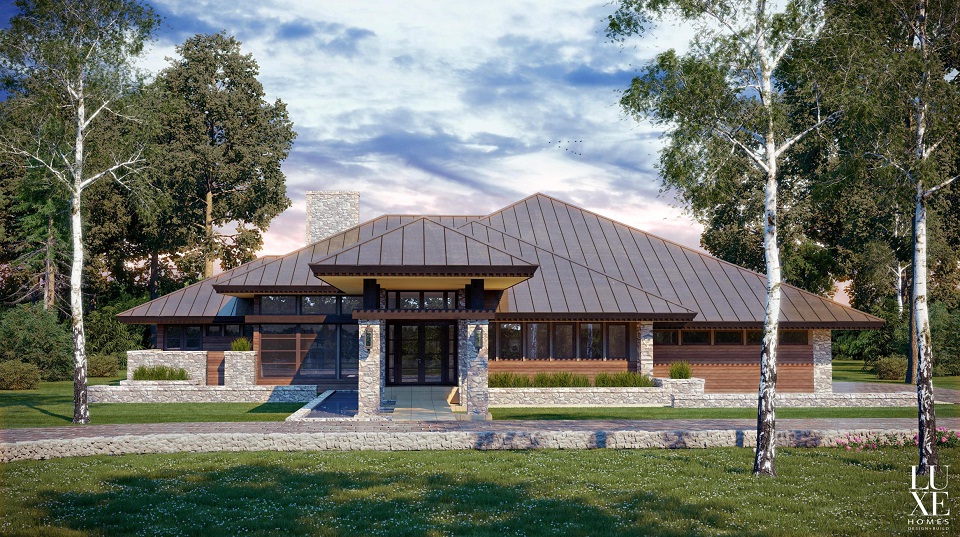
Whether you are planning a complete facade overhaul or strategic architectural updates, modern home exterior design focuses on creating harmony between the built structure and its natural surroundings. By understanding how textures, structural accents, and modern materials interact, homeowners can transform an ordinary house into a striking, durable sanctuary.
1. Creating Texture and Depth Through Mixed Material Siding
The era of uniform, single-material home exteriors has given way to dynamic, multi-textured facades. Modern architecture relies on pairing contrasting materials to create visual interest, balance geometric proportions, and highlight architectural features.
- Fiber Cement and Board-and-Batten: Traditional horizontal lap siding can feel flat over large surfaces. Integrating vertical board-and-batten panels—especially in gables or upper stories—introduces verticality and structured elegance. Fiber cement offers exceptional durability against weather, rot, and pest damage while mimicking natural wood grain.
- Natural Stone and Brick Accents: Applying stacked stone or natural brick to the lower third of a home creates a visually grounded anchor. Stone veneers around entryways, columns, or garage frames provide rich tactile contrast against smooth composite surfaces.
- Warm Timber Elements: Incorporating water-sealed composite wood or natural cedar accents on soffits, porch ceilings, or window surrounds softens modern industrial finishes. The natural warmth of timber breaks up cool gray or dark exterior color schemes.
2. Strategic Color Palettes for Architectural Distinction
Color plays a decisive role in defining how a house occupies space. A well-chosen palette accentuates beautiful trim details while minimizing less attractive structural necessity.
- High-Contrast Modern Classics: Dark exterior colors such as deep charcoal, midnight navy, and matte black have gained massive popularity. Paired with crisp white trim, warm wood tones, and metallic fixtures, dark exteriors create a sophisticated, dramatic presence that stands out cleanly against green landscapes.
- Earthy Neutral Harmonies: Warm taupes, soft terracottas, and muted olive tones create a timeless finish that blends effortlessly with natural surroundings. These neutral palettes allow structural details, such as custom stonework or roof lines, to take center stage.
- The Power of an Accent Door: The front entry is the focal point of the entire exterior. Painting the main entrance in a bold, unexpected shade—such as rich burgundy, mustard yellow, or deep forest green—welcomes guests and establishes a memorable visual identity.
3. Enhancing Architectural Lighting and Exterior Fixtures
Exterior illumination serves two critical functions: safety and dramatic nighttime aesthetics. A single porch light beside the door leaves a house looking flat and uninviting once the sun sets. Layered architectural lighting transforms the facade after dark.
Architectural Uplighting and Downlighting
Installing low-voltage LED uplights at the base of prominent stone columns, structural pillars, or tall trees projects dramatic shadows and highlights texture. Downlighting concealed beneath roof eaves provides soft ambient illumination along walkways without blinding passersby.
Pathway and Landscape Safety Lights
Step lights integrated directly into porch stairs, combined with flush pathway fixtures, guide visitors safely to the entrance. Solar or low-voltage hardwired landscape lighting prevents dark spots across the front yard.
High-Impact Hardware and Fixtures
Upgrading standard house numbers, rain gutters, door hardware, and wall lanterns to matching finishes—such as matte black, brushed brass, or oil-rubbed bronze—ties the entire exterior design together into a cohesive package.
4. Integrating Landscaping with Structural Architecture
A home exterior does not exist in isolation; it is deeply connected to the surrounding environment. Thoughtful hardscaping and softscaping frame the architecture and enhance overall living comfort.
- Hardscape Framings: Stone walkways, concrete pavers separated by low-maintenance turf, and custom retaining walls add clean geometric structure to the front yard. Hardscaping directs traffic flow naturally toward the primary entrance.
- Tiered Planting Beds: Avoid planting high-growing bushes directly against the foundation, which can trap moisture and obscure windows. Instead, design tiered garden beds featuring varying plant heights, seasonal flowers, and evergreen foliage for year-round color.
- Outdoor Living Extensions: Porticos, covered front porches, and wrap-around decks bridge the transition between indoor comfort and outdoor leisure. Adding comfortable seating, hanging planters, and subtle ceiling fans converts an exposed porch into an inviting outdoor living room.
Conclusion
Investing in a home exterior is a strategic endeavor that combines structural protection, functional efficiency, and aesthetic beauty. By experimenting with mixed-material siding, curating a balanced color palette, implementing multi-layered lighting, and integrating surrounding landscaping, you create a facade that stands resilient against time and weather. A well-executed home exterior does not merely impress from the street; it provides a lasting sense of pride and welcoming retreat every time you return home.