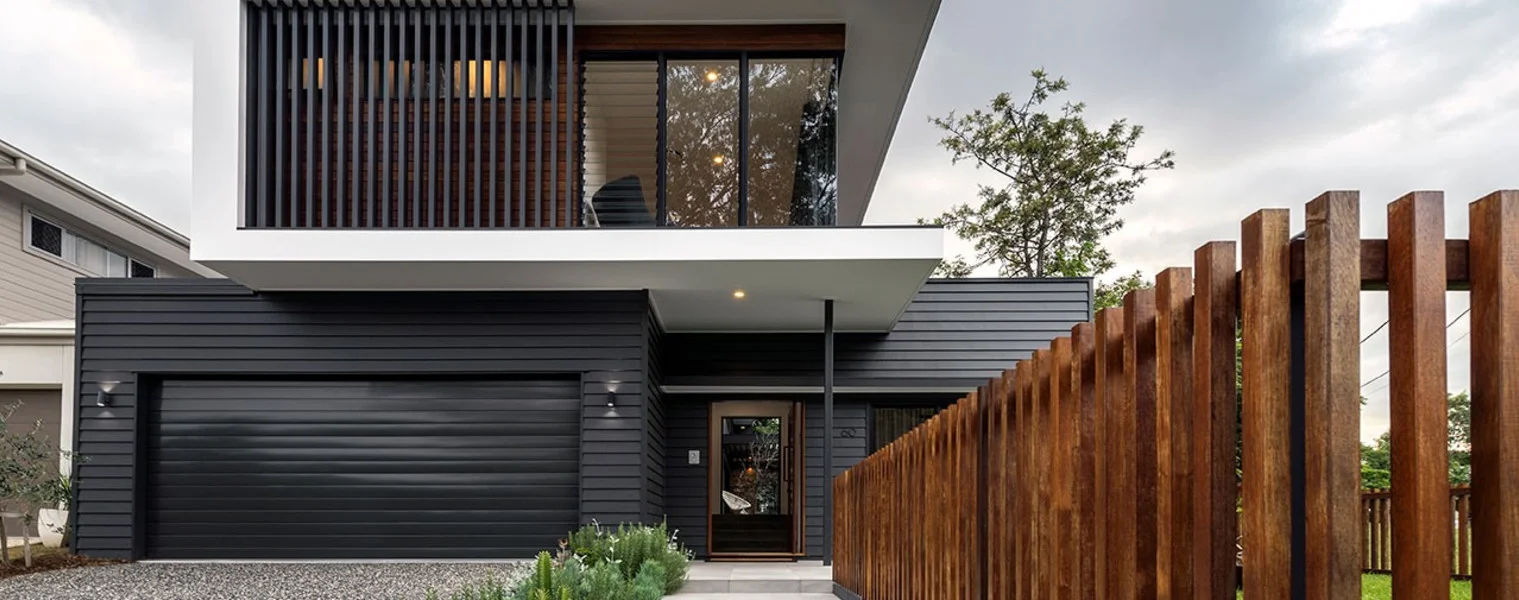
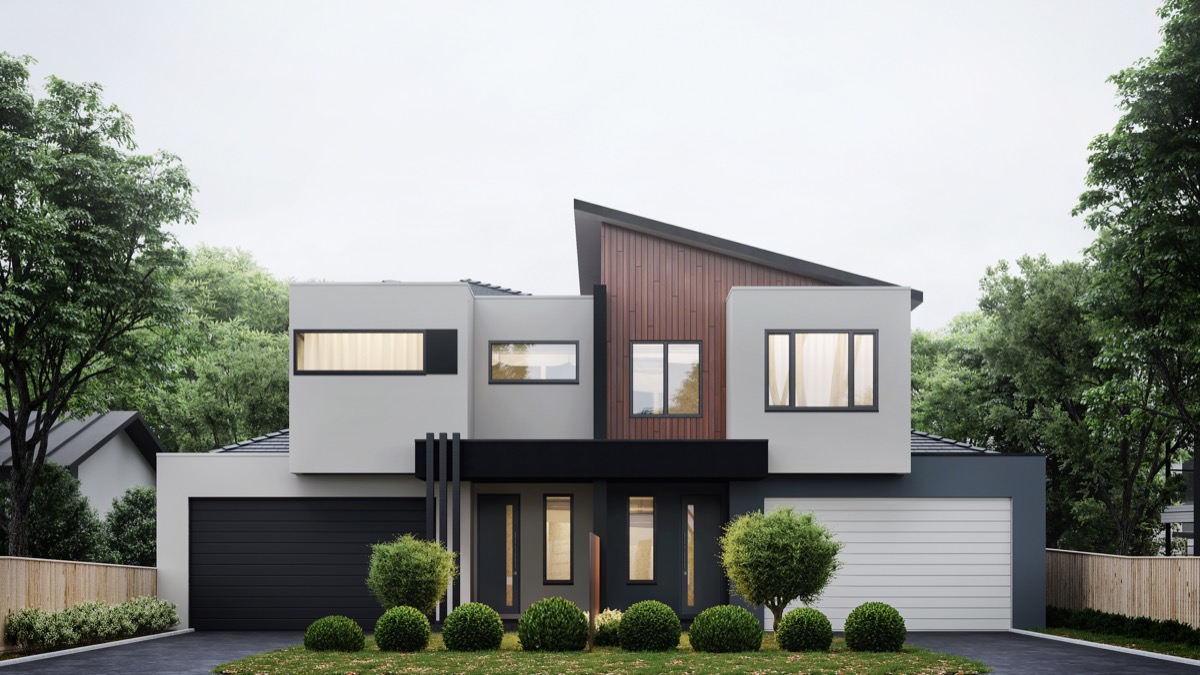
The Architecture of Ease: Designing a Home That Truly Restores You

In an age dominated by constant connectivity, high-density living, and overwhelming digital stimulation, the concept of home has undergone a fundamental shift. It is no longer merely a physical address or a place to sleep between workday obligations. Today, a truly comfortable home functions as an essential sanctuary—a calibrated ecosystem designed to restore mental energy, support physical wellbeing, and foster genuine ease.

Creating comfort requires moving past superficial aesthetics. While stylish furniture and trending color palettes play a role, true domestic comfort is sensory, functional, and psychological. Designing a living space that offers deep, daily comfort involves aligning environmental factors, spatial layout, and sensory details into a cohesive living experience.

1. Regulating Sensory Inputs for Psychological Calm

The human brain constantly processes environmental cues, even when we are not consciously paying attention. Noise, harsh artificial lighting, and visual clutter maintain …

Transformative Bathroom Ideas to Elevate Your Daily Sanctuary

The modern bathroom has evolved far beyond a purely functional space dedicated to basic hygiene. Today, homeowners view it as a personal retreat—a sanctuary for relaxation, wellness, and self-care. Designing a bathroom that balances aesthetic elegance with practical utility requires a thoughtful blend of layout, texture, lighting, and modern technology. Whether you are planning a complete overhaul or seeking subtle modifications to refresh your space, these innovative bathroom ideas will help you create an environment that feels both luxurious and tailored to your daily routine.

1. Embracing Biophilic Design for Natural Serenity

Biophilic design centers on connecting human beings with the natural environment. Incorporating natural elements into your bathroom creates an immediate sense of calm and helps reduce stress levels.

  • Live Foliage: Thriving plants like Boston ferns, snake plants, and peace lilies flourish in humid bathroom environments. Hanging plants near
…

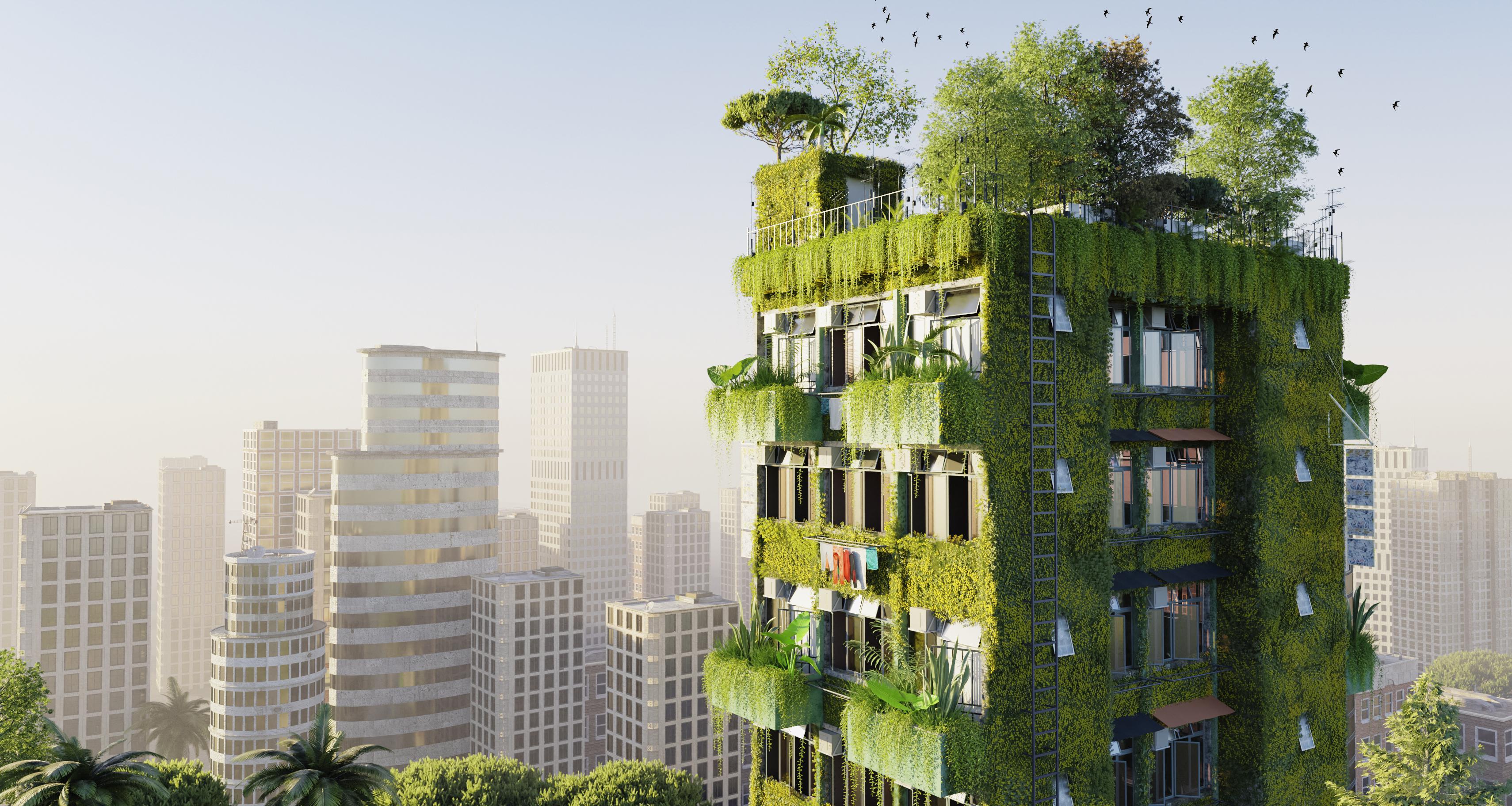
Exploring Transformative Green Residing Concepts

The traditional concept of home has undergone a radical transformation. For decades, the residential sector was defined by comfort and convenience, often at the expense of environmental stability. Today, a new paradigm known as “Green Residing” is emerging. Driven by the realization that our homes are not just shelters—they are active components of the ecosystems we inhabit. Green residing is more than just installing solar panels or using LED light bulbs. It is a holistic philosophy that balances human wellness, resource efficiency, and ecological restoration.

As we look toward a future shaped by climate variability and increasing urbanization. The adoption of sustainable home concepts is no longer a luxury for the eco-conscious elite. It is an essential strategy for creating resilient, healthy, and cost-effective living environments for everyone. This article explores the innovative concepts that are defining the frontier of …

Transformation: Things You Never Knew About Home Improvement

The phrase “home improvement” often conjures images of weekend warrior projects, paint swatches, and the inevitable clutter of a kitchen renovation. It is a massive industry—one that defines the modern domestic experience. However, there is a profound difference between “fixing things” and true home improvement. Beyond the surface-level aesthetics, home improvement is a complex intersection of building science, psychological wellness, and long-term asset management.

To truly transform a house into a home, one must look beyond the glossy finishes. And understand the structural, invisible, and environmental nuances that dictate the quality of our living spaces. Here are the lesser-known aspects of home improvement that every homeowner should understand before picking up a hammer.


The Science of Building Envelope: The Invisible Performance

Most homeowners focus on what they can see: countertops, flooring, and paint. Yet, the most significant improvements …

A Comprehensive Guide to Home Exterior Design Styles

The exterior of a house is its public face—the primary feature that communicates the personality, history, and architectural integrity of the home. While interior design often steals the spotlight, the exterior design is what truly defines a property’s “curb appeal” and significantly influences its market value. Choosing the right exterior design is not merely about picking paint colors or siding materials; it is about selecting a cohesive architectural language that stands the test of time.

From the clean, sharp lines of modern minimalism to the ornate, historical charm of Victorian estates, understanding the various types of exterior design allows homeowners to make decisions that honor the structure’s roots while catering to contemporary tastes. This guide explores the most influential exterior design styles that define the current residential landscape.


The Enduring Elegance of Colonial Architecture

Colonial architecture is perhaps the most …